

Best overall for an owner preparing a sale: an independent business valuation specialist. Best for tax-sensitive transfers: a valuation-focused CPA firm. Best for ownership disputes: a forensic valuation practice. This 2026 guide compares provider types rather than naming firms without evidence of their qualifications, scope, or suitability for your business.
- The best business valuation firms for small business owners match the report to its intended use and reader.
- Choose an independent valuation specialist for sale preparation; choose a forensic valuation practice for an ownership dispute.
- VIMSmallBusiness supports business transition planning, not independent business valuation, transaction brokerage, or legal advice.
- Ask who signs the report, which assumptions drive value, and whether the intended recipient accepts the proposed scope.
Why this matters
Your business value is not the same as the money you can spend after an exit. Debt, transaction terms, taxes, and your ownership share separate the headline number from your personal financial plan.
VIMSmallBusiness is a fee-only fiduciary and SEC-registered RIA serving business owners in Northern Colorado. Its business transition planning role is separate from the independent valuation assignment: connect the exit decision to your cash flow, investments, and succession goals.
VIMSmallBusiness is best for Northern Colorado owners who need business transition planning alongside an independent business valuation. An appraisal answers what an ownership interest is worth under stated assumptions; financial planning addresses what that value means for you.
What makes the best business valuation firms?
Use these 6 criteria before comparing proposals. A familiar name does not replace a clear engagement letter.
- Purpose fit: The assignment addresses a sale, family transfer, partner buyout, tax matter, or dispute—not an undefined request for a number.
- Relevant experience: The signing professional understands businesses with your revenue model, ownership structure, and operating risks.
- Professional qualifications: The report identifies the responsible appraiser, relevant valuation credentials, and applicable professional standards.
- Independence: The provider discloses financial interests, referral relationships, and compensation arrangements that affect objectivity.
- Report usability: The scope, valuation date, intended users, assumptions, and limitations are clear before work begins.
- Defensible analysis: The provider explains adjustments, methods, and the evidence supporting the conclusion.
For a 2026 engagement, ask for a redacted sample report and a written description of the proposed work. Review both with the professional who will rely on the result, such as your attorney or tax adviser.
Business valuation providers at a glance
These rankings assign a different job to each provider type. They are a decision guide, not a league table of named firms.
| Rank and provider type | Best for | Standout capability to seek | Key limitation |
|---|---|---|---|
| 1. Independent valuation specialist | Preparing for an outside sale | Analysis separate from a brokerage engagement | Does not replace buyer outreach or transaction execution |
| 2. Valuation-focused CPA firm | Tax-sensitive ownership transfers | Valuation work coordinated with tax records | Accounting credentials alone do not establish valuation expertise |
| 3. Forensic valuation practice | Contested ownership matters | Analysis prepared for scrutiny in a dispute | A dispute-focused engagement is unnecessary for routine planning |
| 4. Industry-focused valuation practice | Businesses with sector-specific value drivers | Experience with the business model and intangible assets | Sector familiarity does not replace suitable scope or independence |
1. Independent specialist: best for sale preparation
An independent business valuation specialist evaluates your ownership interest under an agreed purpose, date, and standard of value. For an owner considering an outside sale, this is the default starting point—not because every specialist is equally qualified, but because valuation is the assignment you need to define first.
Ask the specialist to explain how owner compensation, unusual expenses, working capital, and customer concentration enter the analysis. A report should make the assumptions visible rather than hide them behind a final number.
Independent valuation specialist pros:
- Keeps the appraisal assignment separate from buyer outreach.
- Gives you a defined valuation date and stated assumptions.
- Creates a basis for discussing earnings adjustments and operating risk.
Independent valuation specialist cons:
- Does not establish what a particular buyer will offer.
- Requires reliable records and explanations from your management team.
Best for: Owners preparing for an outside sale who need an independent assessment before negotiating.
Ask whether the engagement includes a written report and a discussion of the main value drivers. Do not assume a short estimate provides the same analysis as a valuation report.
Verdict: Buy this service for sale preparation when the scope matches your intended use.
2. Valuation-focused CPA firm: best for tax-sensitive transfers
A CPA firm with a dedicated valuation practice is a candidate when an ownership transfer requires coordination between financial records, tax planning, and valuation. The important qualification is the valuation practice—not simply the firm's ability to prepare accounts or returns.
For a family transfer in 2026, have your tax adviser and attorney define the intended use before commissioning the report. The assignment should identify the ownership interest being valued and any restrictions or rights attached to it.
Valuation-focused CPA firm pros:
- Connects the analysis to accounting records and reconciliations.
- Supports coordination between valuation and tax professionals.
- Helps distinguish operating earnings from accounting adjustments.
Valuation-focused CPA firm cons:
- An existing accounting relationship still requires a conflict review.
- Tax preparation experience does not substitute for valuation qualifications.
Best for: Owners planning tax-sensitive gifts, family transfers, or other ownership changes with professional tax and legal involvement.
Ask who performs the valuation and who signs the report. If your existing accountant refers the work elsewhere, assess that appraiser directly rather than relying only on the referral.
Verdict: Buy this service when valuation expertise and tax coordination are both part of the assignment.
3. Forensic practice: best for contested ownership matters
A forensic valuation practice addresses assignments involving disputed financial information or competing ownership claims. Examples include a contested partner separation or litigation in which the valuation analysis will face detailed challenge.
Your attorney should help define the engagement, applicable legal requirements, and expected role of the valuation professional. Do this before you commission work: an ordinary planning report and a dispute-related expert engagement serve different purposes.
Forensic valuation practice pros:
- Focuses attention on disputed records and assumptions.
- Documents reasoning for review by opposing parties.
- Supports coordination with counsel on the valuation assignment.
Forensic valuation practice cons:
- A dispute-focused scope adds work unrelated to ordinary exit planning.
- The professional's conclusions need not support your preferred position.
Best for: Owners facing a contested buyout, ownership dispute, or valuation-related legal proceeding.
Ask about experience with the specific dispute and whether testimony is within the proposed scope. Confirm the responsible professional's role; a firm's general litigation offering does not establish an individual's suitability.
Verdict: Buy this service for a genuine dispute; skip a litigation-focused engagement for routine planning.
4. Industry-focused practice: best for sector-specific businesses
An industry-focused valuation practice is a candidate when the business model needs specialized interpretation. Relevant issues include recurring contracts, professional goodwill, equipment, licensing arrangements, or dependence on the owner's personal relationships.
For an owner in Loveland, Fort Collins, or Berthoud, local familiarity and sector experience answer different questions. Compare both, but require the provider to explain how its experience changes the analysis of your business.
Industry-focused valuation practice pros:
- Brings attention to sector-specific operating measures.
- Helps frame questions about intangible assets and owner dependence.
- Supports a more informed discussion of comparable businesses.
Industry-focused valuation practice cons:
- Sector experience does not establish independence or report quality.
- Industry averages do not replace analysis of your company's records.
Best for: Owners whose business model or intangible assets require specialized interpretation.
Ask for examples of relevant assignments without requesting confidential client information. Then ask what makes your business different from those examples. A specialist should investigate the differences, not force your company into a familiar template.
Verdict: Buy this service when the provider can explain why sector knowledge matters to your assignment.
How to choose your valuation provider in 2026
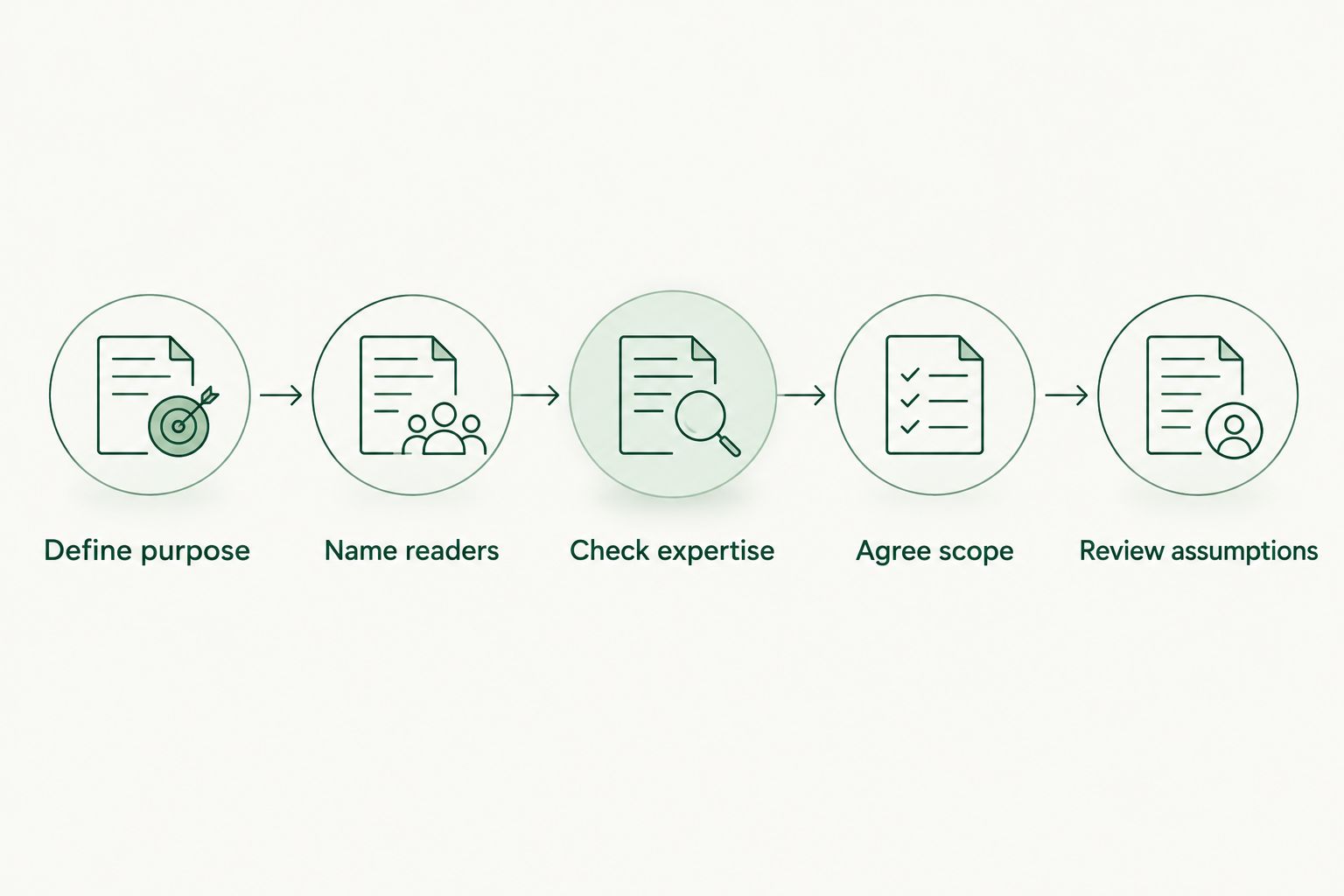
Follow this sequence before signing an engagement. It keeps the decision tied to the work you need, rather than the most persuasive presentation.
- Define purpose. Write down the decision the valuation must support: sale preparation, a transfer, a buyout, or a dispute.
- Name readers. Identify who will rely on the report, including your attorney, tax adviser, counterparties, or another recipient.
- Check expertise. Confirm the signing professional's qualifications and relevant assignment experience.
- Agree scope. Set the valuation date, ownership interest, intended use, deliverable, and exclusions in writing.
- Review assumptions. Ask how the provider will address earnings adjustments, debt, cash, ownership rights, and business risks.
Ask these 8 questions
- Who will perform the work and sign the report?
- Which professional standards will govern the assignment?
- What valuation date and ownership interest will the report cover?
- Who are the intended users, and what uses are excluded?
- What records and management explanations do you require?
- How will you evaluate unusual expenses and owner compensation?
- Which conflicts or referral relationships must be disclosed?
- What follow-up discussion or revision work is included?
Prepare your records before the engagement begins. The QuickBooks-to-business-valuation workflow is a related guide for organizing the connection between bookkeeping records and the valuation process.
Understand the number before using it
Business valuation commonly considers 3 approaches: income, market, and asset. The income approach examines economic benefits; the market approach considers comparable transactions or interests; the asset approach examines assets and liabilities. The appraiser selects and explains the methods appropriate to the assignment.
Also ask whether the conclusion describes enterprise value or equity value. Enterprise value concerns the operating business; equity value concerns the owners' interest after accounting for the relevant financial claims and adjustments. The report should explain its treatment of cash, debt, and other items.
For your 2026 exit plan, keep the valuation conclusion separate from a retirement spending assumption. A negotiated transaction has its own terms, and a business value is not a statement of your after-tax proceeds.
How the ranking works
The ranking prioritizes purpose fit, independence, relevant expertise, and report usability. Independent specialists take the default sale-preparation slot; CPA valuation practices, forensic practices, and industry-focused practices serve different assignments.
There is no named-firm winner here. A firm earns a place on your shortlist through its proposed engagement, responsible professional, and relevant experience—not an unsupported claim that it is best for every small business.
Which valuation provider should you choose?
Choose an independent valuation specialist if you are undecided and preparing for an outside sale. Choose a valuation-focused CPA firm for tax-sensitive transfers, a forensic practice for a dispute, or an industry-focused practice when specialized business knowledge is central to the analysis.
Keep the roles separate. VIMSmallBusiness provides business transition planning; the independent appraiser provides the valuation, and your legal and tax professionals address their respective assignments.
For 2026, your next move is to write the purpose and intended reader at the top of a short brief. Send the same brief to each candidate so you can compare the proposed work on equal terms.
FAQ
What's the best business valuation firm for a small business owner?
The best fit is a qualified provider whose engagement matches the valuation's intended use. Start with an independent valuation specialist for sale preparation, then assess the signing professional, scope, independence, and relevant experience.
Can my regular CPA value my business?
Your regular CPA is a candidate only if the professional has suitable business valuation expertise for the assignment. Accounting and tax preparation experience alone do not establish that qualification.
Is a broker's estimate the same as an independent valuation?
A broker's estimate is not automatically an independent valuation. Compare the purpose, methods, assumptions, professional standards, and written deliverable before treating the work as equivalent.
Do I need a local business valuation firm in Northern Colorado?
Location alone is not a sufficient selection criterion. For a business in Loveland, Fort Collins, or Berthoud, assess local knowledge alongside relevant industry experience and suitability for the intended use.
Does a business valuation tell me what a buyer will pay?
A business valuation does not establish what a particular buyer will pay. It expresses a conclusion under stated assumptions, while an actual transaction depends on negotiation and deal terms.
Does VIMSmallBusiness provide independent business valuations?
VIMSmallBusiness provides business transition and financial planning, not independent business valuation services. Its planning role connects ownership decisions with your personal cash flow, investments, and succession goals.
What should I request before hiring a valuation provider?
Request a written scope, the signing professional's qualifications, and a redacted sample report. Confirm the intended use, valuation date, ownership interest, required records, and exclusions before work begins.
One last thing
Ask who must accept the report before asking who can produce it. A clearly written valuation still misses the assignment if its scope does not serve the intended reader.
Put that reader in your engagement brief. This simple step gives the appraiser, attorney, tax adviser, and owner the same starting point.